
Remodeling trades, coordinated
Demolition, structure, framing, electrical, plumbing, HVAC, insulation, drywall, painting, flooring, carpentry, and finish work. One schedule, one scope.
Licensed general contractor · Kankakee County
One contractor for structure, mechanicals, and finishes. Most gut renovations run 3–6 months, scoped to the trades the house actually needs.
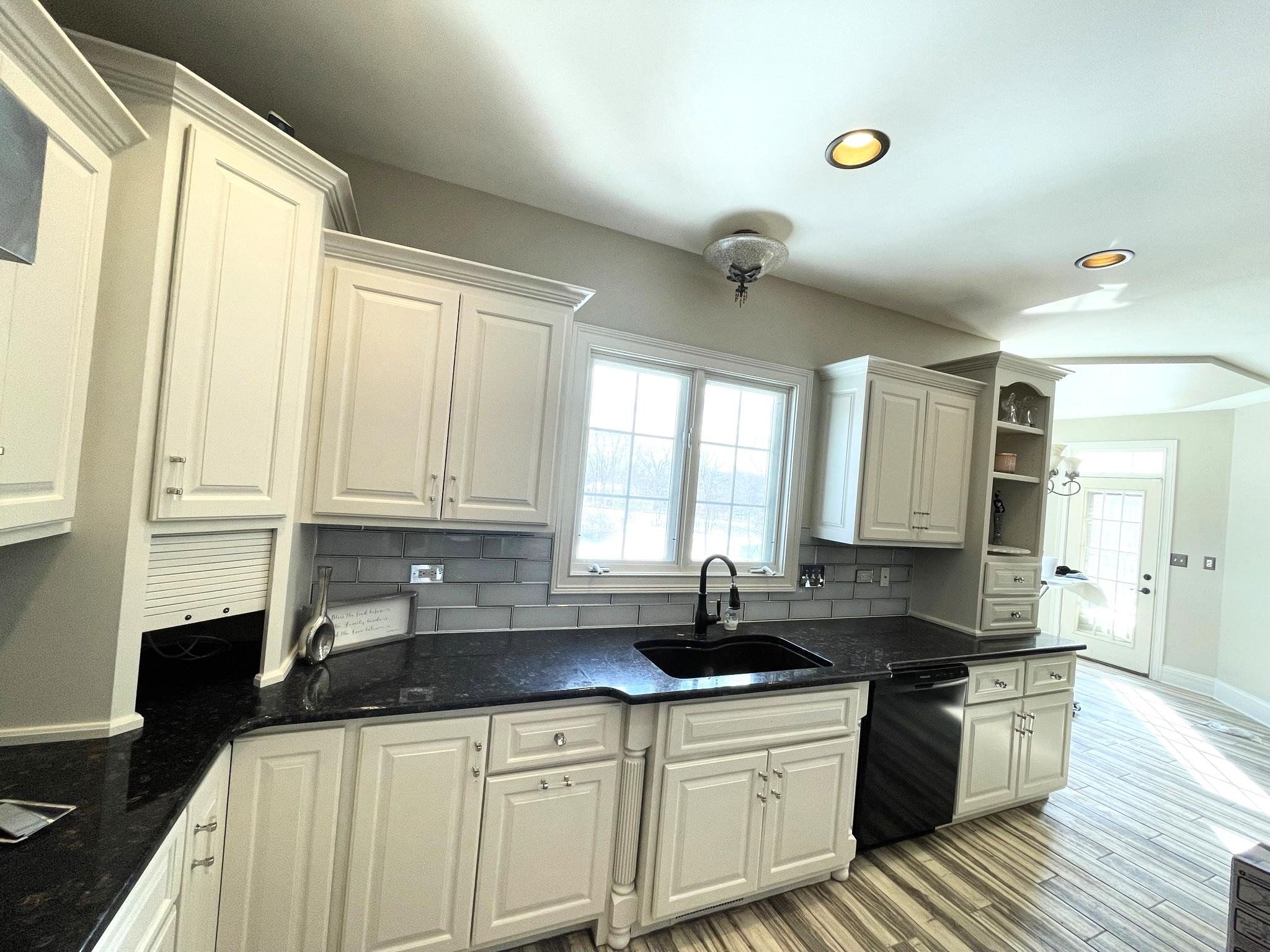
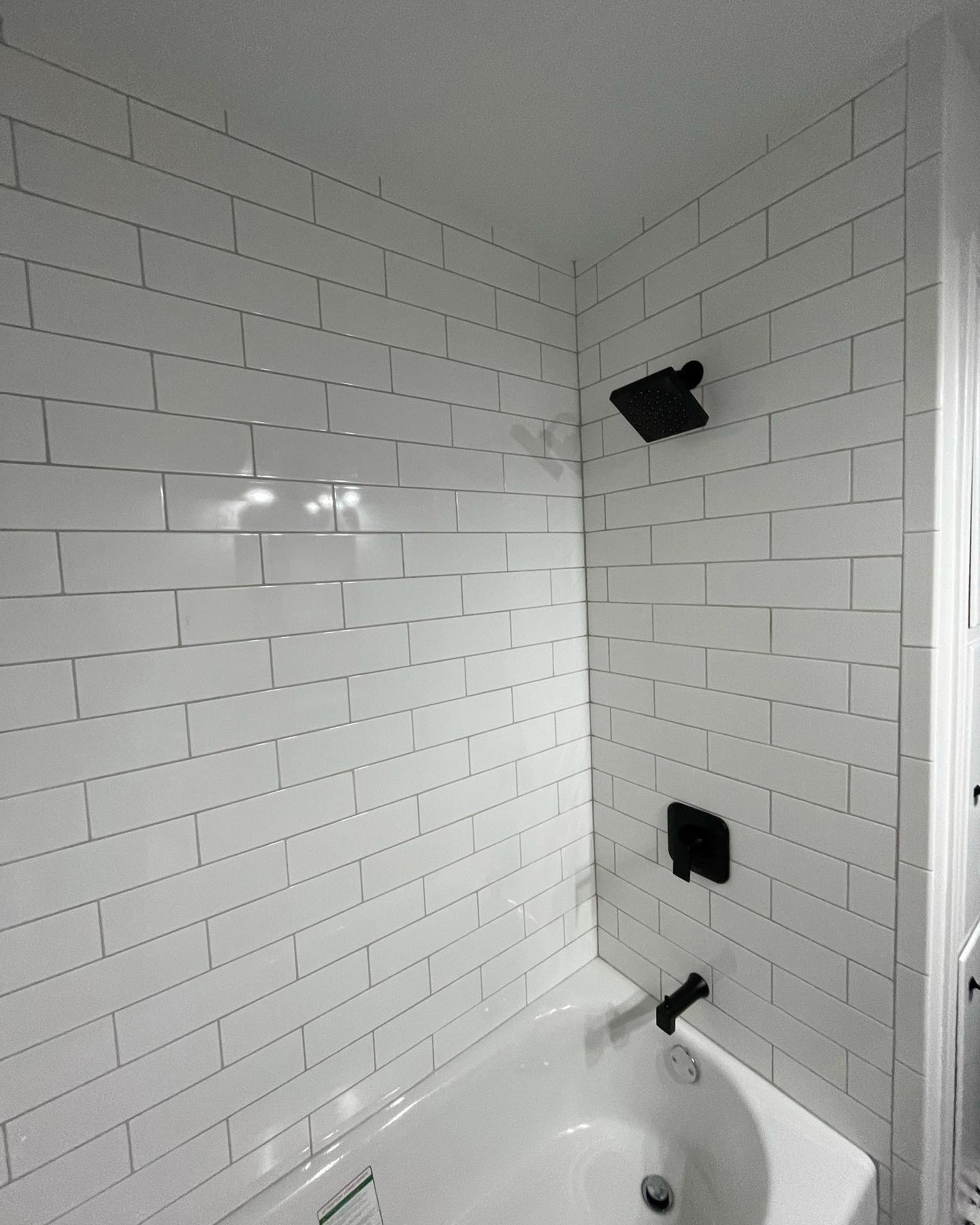
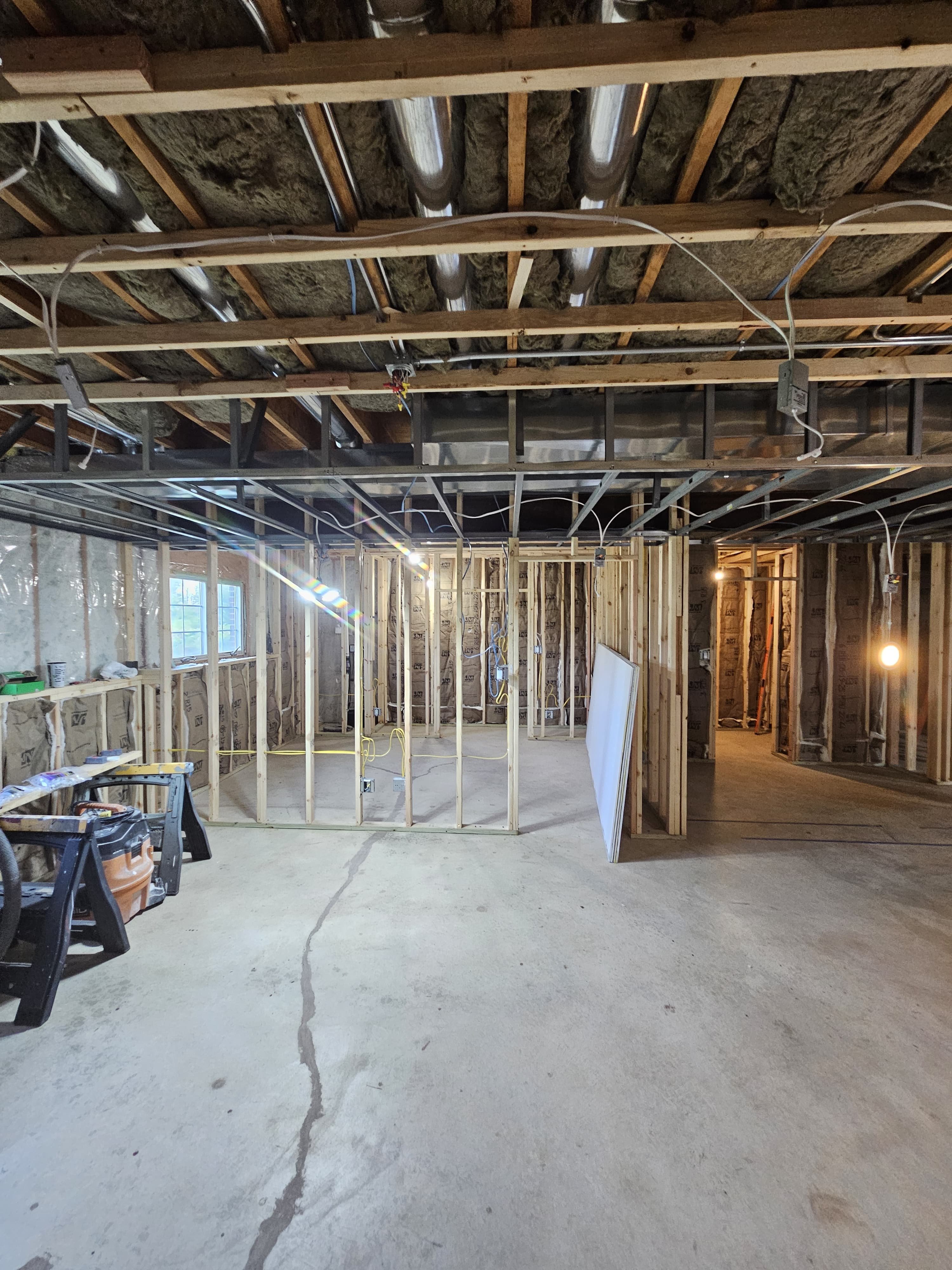
Silva's Remodeling has spent 30+ years on 1890s–1950s homes across Kankakee County. The work is structural, mechanical, and finish, in that order, with the character of the house kept where it still matters.
A gut renovation strips the house to studs, joists, and rafters, then rebuilds from the inside. A single-room project does not.
The sequence only works if the same person owns the handoff from demo to the punch list.
Demolition, structure, framing, electrical, plumbing, HVAC, insulation, drywall, painting, flooring, carpentry, and finish work. One schedule, one scope.
Balloon framing, knob-and-tube, galvanized plumbing, and plaster. We modernize the systems and keep the trim, floors, and details worth keeping.
Building, electrical, plumbing, and mechanical permits, then the inspections that have to pass before drywall.
The quote breaks down trades, materials, and time. Gut renovations often land around $150–$300 per square foot, depending on finishes, with a written change-order path.
Open a phase to see what happens. The first one is expanded so you can start there.
General remodeling only. We do not test for or remove lead-based paint or asbestos, and that work is not part of our contract. When it is required, a separately licensed contractor completes it before our demolition begins.
Start with the trades the house needs. We recommend one of these after the walkthrough, not before.
Finishes only. Mechanicals and structure stay as they are.
The interior comes out. Systems are replaced. The shell stays.
Stud-out, plus the parts of the shell that have failed.
Not sure which scope fits? We look at the house and recommend only the trades it needs.
(708) 270-7794Thirty years on 1890s–1950s homes in Kankakee County. The problems repeat. So does the way we fix them.
A gut renovation can move a house 50–100% in value. Typical return on a full remodel lands around 70–90%.
Insulation, HVAC, and windows often cut bills 40–60%. Some of that work qualifies for energy credits.
Open the plan, rebuild the kitchen, and redo the baths while the walls are already open.
Old wiring, tired plumbing, and structural repairs get brought up to the inspections that pass.
New equipment carries its own warranty. HVAC, roofing, and windows are the long ones.
You keep the lot, the street, and the neighbors, and get a house that works like a new one.
Typical timeline: 3-6 months depending on home size, scope, and finishes. Small homes (1,000-1,500 sq ft) with straightforward layouts can be completed in 3 months. Larger homes (2,000-3,000+ sq ft) or complex renovations (moving walls, extensive structural work) take 4-6 months. Weather, material delays, and permit processing can extend timelines.
Not recommended for complete gut renovations. During demolition and rough-in phases (weeks 1-8), the home has no working plumbing, electricity, or HVAC. Dust, noise, and safety hazards make it unlivable. Most clients relocate to rental property, stay with family, or plan extended vacation. Phased renovations (one floor at a time) allow occupancy but extend timeline 30-50%.
Yes, absolutely. Full house remodels require building permits (structural, general construction), electrical permits (rewire), plumbing permits (repipe), and HVAC permits (new system). We handle all permit applications, inspections, and final approvals. Permits typically cost $1,500-$4,000 depending on jurisdiction and scope. Unpermitted work risks fines, resale issues, and insurance claims denial.
A stud-out strips the house to structural framing. Out: drywall or plaster, old electrical and plumbing, insulation, flooring, fixtures, cabinets, and trim. What stays: exterior studs, floor joists, ceiling joists, and roof framing. Then we rebuild inside that shell.
Usually yes, especially in established neighborhoods. Full remodel costs $150-$300/sq ft. New construction costs $200-$400+/sq ft plus land. Remodeling lets you stay in your desired location, preserve lot size/mature landscaping, and avoid competitive buying markets. Best for homes with good bones (solid foundation, good location). Not worth it if foundation is severely compromised or lot is undersized.
We work with homeowners using: Home equity loans/HELOCs (lowest rates, 6-8%), Cash-out refinancing (roll into mortgage), 203(k) FHA renovation loans (for purchases + remodel), Construction loans (draw-based funding), Personal loans (no home equity required). Many clients combine methods. We provide detailed quotes for lender approval and work with project financing partners.
Kankakee County, the south suburbs, and Will County.
Kankakee, Bourbonnais, Bradley, Manteno, Momence, Herscher, St. Anne, Grant Park, Aroma Park
Orland Park, Frankfort, Tinley Park, New Lenox, Mokena, Homer Glen, Lockport, Joliet, Oak Forest
Crete, Monee, Peotone, Beecher, Manhattan, Wilmington, Channahon
A free in-home look, then a written scope. 30+ years, licensed and insured.